



The 2019 Otoge Struggle: A Coalition Abused By The Temu Governor For Over Seven Years…
The 2019 Otoge Struggle: A Coalition Abused By The Temu Governor For Over Seven Years…
The 2019 Otoge Struggle: A Coalition Abused By The Temu Governor For Over Seven Years…
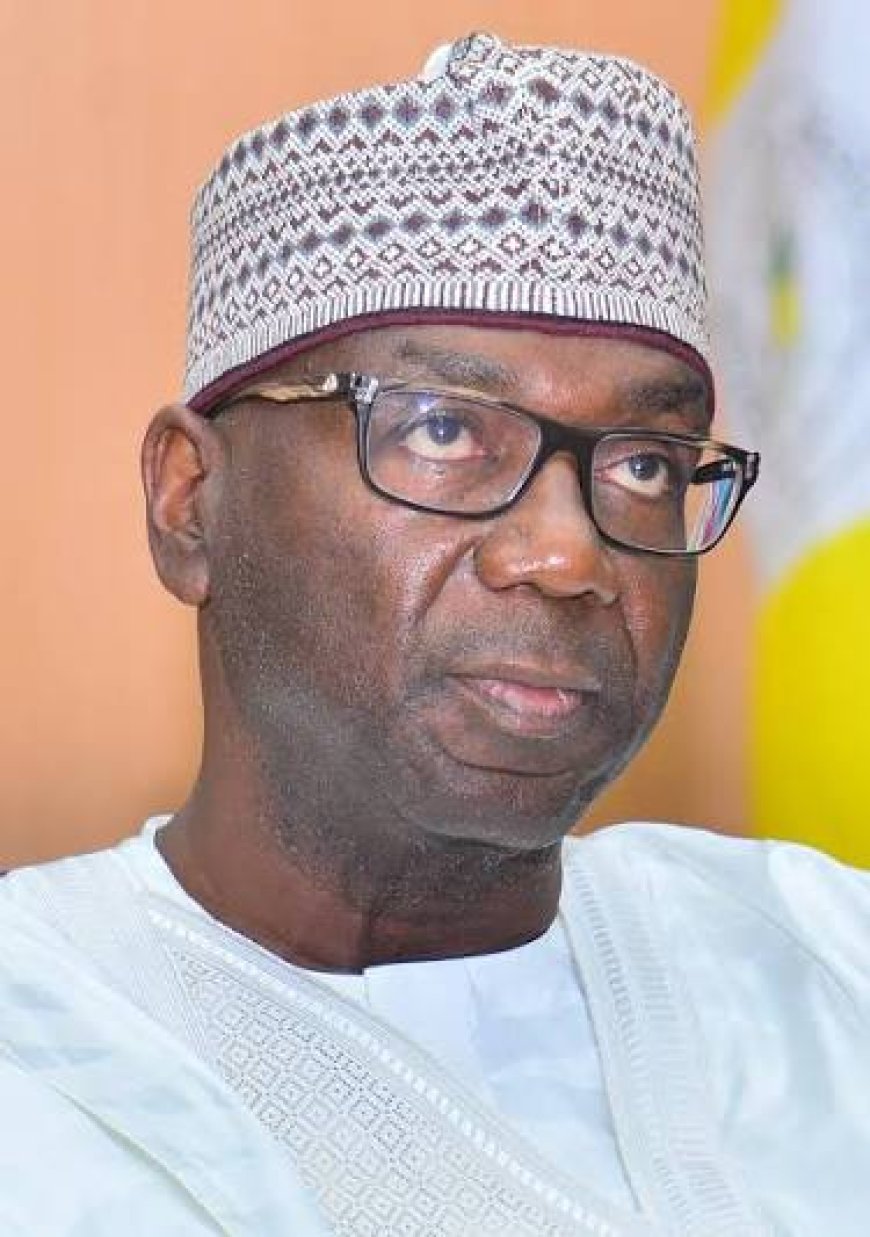
Kwara State: In 2019, the people of Kwara State rallied behind the chanting cry of "Otoge", meaning "enough is enough", to dismantle a political dynasty and usher in an era of accountability and development. Seven years today, a growing chorus of critics argues that the coalition has been systematically abused by Governor AbdulRahman AbdulRazaq, delivering not the promised good governance, but a state hollowed out by total neglect, segregation and Gba mi fun e, where thousands of communities are left to build their own roads, drainage systems, water projects, hospitals and schools while the government boasts of fiscal discipline from the comfort of only Ahmadu Bello Way and his family house in Ilorin.
Communities Left to Fend for Themselves
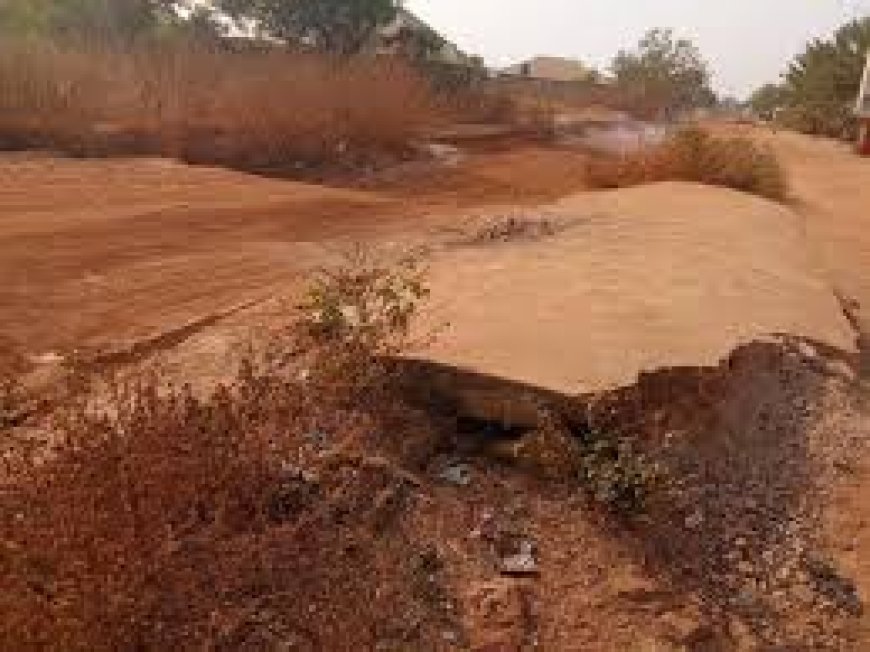
The most damning indictment of the AbdulRazaq administration lies in the stark reality of rural Kwara. Academic research on Kaiama Local Government Area confirms what residents across the state already know: community self-help has become the primary engine of infrastructural provision in the absence of effective government intervention. The study documents communities constructing roads, health centres, boreholes, primary/secondary schools and even agro-based cottage mills through voluntary contributions and communal labour. This is not a testament to Kwara's communal spirit; it is an indictment of a government that has abdicated its most basic responsibilities.
The pattern repeats across the state. In Moro, Lanwa, Amoyo, Kabba-Oriaje, Checkpoint, Ganmo, Ira, Oke-oyi, Eruku, Danialo, Gaa Akanbi, Jooro and Ilemona, communities have organised themselves to build culverts, drainages, boreholes and electrification projects, purchase electrical poles and construct town halls and health centres . When citizens must tax themselves to provide the infrastructure that their tax dollars should already fund, the social contract has been broken. The government's own local government chairmen occasionally announce projects like solar boreholes and transformers, but these isolated gestures cannot mask the systemic failure that has forced communities into perpetual self-help. People have to beg on the internet before they eat 3 square meal.
The Late Muhammed Alabi Lawal Water Legacy: A Standing Reproach
Nothing exposes the poverty of the current administration's legacy more than the water situation in Ilorin and its environs. The concrete overhead reservoirs built by former Governor Muhammed Alabi Lawal between 1999 and 2003 remained abandoned for over seventeen years until the people in diasporas began rehabilitating some of them in 2020, connecting them to newly drilled boreholes. The commissioner overseeing the project was Lawal's own daughter, a detail that underscores the dynastic irony.
The government celebrates this rehabilitation as an achievement. Critics see it differently: a governor who has spent seven years in office can point to the resurrection of another man's two-decade-old infrastructure as his signature water accomplishment. Only, if he caused it to function. There is no feasible major water project of comparable ambition initiated and completed under the AbdulRahman’s administration. The "Up Lawal" tanks, as they are known, are not a credit to the current governor, they are a monument to his failure to build anything of permanence.
Fiscal Progress Without Public Benefit
The government's defenders point to impressive-sounding numbers. Internally generated revenue has grown from N30.6 billion in 2019 to N92.2 billion in 2025 and BudgIT ranked Kwara third nationally in subnational fiscal performance . The Works Commissioner claims road projects totaling 872 kilometres, surpassing the combined records of three previous administrations. All are lies without NAFDAC recognition.
Yet, the opposition Peoples Democratic Party has articulated the gap between statistics and lived reality: "The ordinary Kwaran cannot point to commensurate improvements in security, healthcare delivery, education, job creation or rural development" . Revenue growth extracted from citizens through digitalised tax collection has not translated into visible transformation. The government operates, in the PDP's words, "behind a veil of secrecy," suppressing critical voices and intimidating journalists who demand accountability.
Insecurity and Economic Strangulation
The security situation has deteriorated to the point where the government has ordered the closure of the College of Education, Oro, citing "growing security threats". Communities in Baruten, Kaiama, Edu, Patigi and Ifelodun have become recurring theatres of kidnappings and bandit attacks . Saheed Popoola, a former lawmaker and leading figure in the Otoge movement from Offa LGA, defected to the PDP in 2025 with a blistering assessment: "We have never seen banditry in Kwara since its creation. Hundreds of our people have been killed and kidnapped. The current governor does not understand governance". Yes, he knew nothing about governance and he is living blindfolding to reality.
For traders, farmers and small business owners, the environment is equally hostile. The combination of insecurity, poor rural infrastructure and the absence of meaningful economic intervention has crippled commercial activity outside the state capital. When a farmer cannot transport produce because the community road is impassable, or a trader cannot access capital because the local bank branch closed years ago, the government's IGR figures ring hollow.
The Otoge Legacy, Hijacked and Fragmented
The final betrayal lies in the political sphere. The Otoge movement was never a single party's property; it was a collective uprising of Kwarans demanding accountability. Today, it has fractured into warring factions. The G15 group of aggrieved APC aspirants has rebranded as "The Otoge Progressives," and Elite group called it “Renewed Otoge” claiming to preserve the movement's ideals while rejecting Governor AbdulRazaq's candidates as "a disgrace to the ideals of Otoge". Meanwhile, 38 founding leaders of the movement have accused the G15 of being "political nomads" and "Abuja politicians" seeking to hijack a people's legacy for personal ambition. Don’t mind the Temu and weak governor.
This internecine warfare reveals the truth: Otoge has been instrumentalised. The movement that once united Kwarans against a common foe has become a banner under which ambitious politicians fight for the spoils of office. For ordinary citizens who marched and voted in 2019, the spectacle is nauseating. Their struggle has been reduced to a brand name, contested by elites who have long since forgotten the communities that still lack water, roads and security.
Kwara State does not lack resources. It does not lack talent. What it lacks is a government that treats governance as a sacred trust rather than a family enterprise. Seven years after Otoge, the people of Kaiama still build their own health centres. The residents of Ilorin still drink from tanks built by a man who left office in 2003. Farmers in rural communities still cannot move their harvests to market. And the movement that promised to change all this has been carved up by politicians who saw in it only a ladder to power. The verdict is not yet final, Kwarans will have their say again, but the evidence of betrayal is overwhelming. Otoge was for the people. It has been taken from them.
What's Your Reaction?
 Like
0
 Dislike
0
 Love
0
 Funny
0
 Angry
0
 Sad
0
 Wow
0