







Nigeria’s Dual Party Ban Proposal: A Power Play or Democratic Safeguard Ahead of 2027?

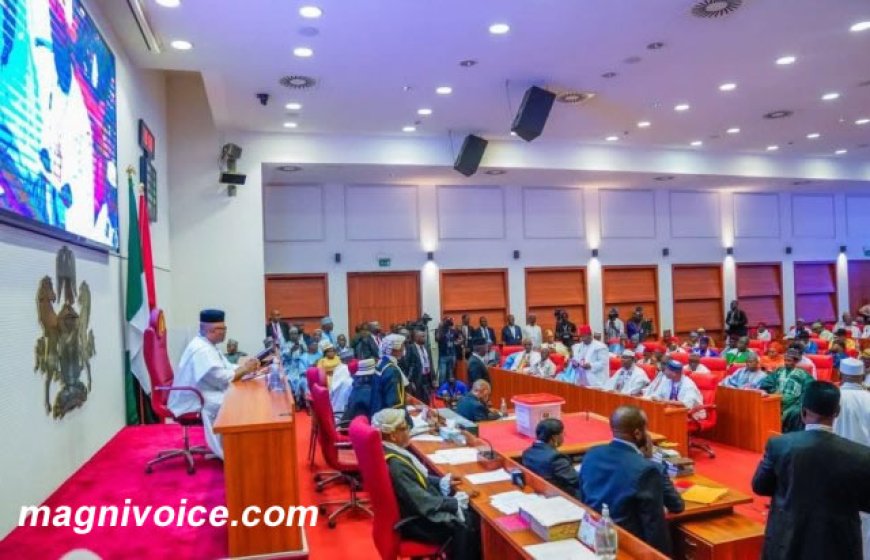
As Nigeria gets ready for the 2027 general elections, a new proposal has put the political class in the spotlight. Lawmakers want to punish politicians who belong to more than one party. This is not just a small update to the law. It shows growing worries inside the ruling All Progressives Congress (APC) and raises serious questions about whether Nigeria is protecting democracy or limiting political competition.
The Amendment Explained: New Penalties That Go Beyond Party Rules
The House of Representatives has added three strict clauses to Section 77 of the Electoral Act. Anyone found registered in more than one party will lose both memberships, pay a N10 million fine, face up to two years in prison, or both. The law clearly says dual registration is not just invalid, it is now a criminal offence.
This means it is no longer just a party issue handled internally. It becomes a national legal matter that can be enforced by courts and the Independent National Electoral Commission (INEC). The sponsor, House Leader Julius Ihonvbere, pushed the bill through all stages in one day, which has raised concerns about how fast it moved.
Inside the Chamber: Lawmakers Split Between Order and Liberty
Even in the House, lawmakers did not agree. Chairman of the Solid Minerals Committee, Jonathan Gaza, supported the bill, saying double registration is “mischievous” and weakens party structure.
But Chairman of the University Education Committee, Abubakar Fulata, disagreed. He said the proposal goes against Section 40 of the 1999 Constitution, which gives citizens the right to join or form associations. Deputy Speaker Benjamin Kalu, who led the session, took a middle position. He described multiple memberships as “fraudulent misrepresentation” and advised politicians to choose the party that truly fits their beliefs.
This disagreement reflects a bigger issue in Nigeria: the balance between discipline and freedom.
Opposition Fires Back: “Legislative Lynching” to Protect One Party
Prince Adewole Adebayo, leader of the Social Democratic Party (SDP) and its 2023 presidential candidate, strongly criticized the bill. He called it unconstitutional and said it attacks freedom of association. He also explained that the law already requires candidates to run under only one party during elections, so punishing ordinary membership in multiple parties is unnecessary.
Public affairs analyst Maarcellus Onah added another angle. He connected the timing of the bill to public frustration over economic hardship, insecurity, and poor living conditions. According to him, the ruling party may be trying to stop possible defections before they happen. He also pointed out that many of those supporting the bill have changed parties in the past.
Why This Matters: The Hidden Drivers and Long-Term Risks
On the surface, the APC looks very strong. It controls more than 30 out of 36 states and holds major power in the National Assembly. But the speed and urgency of this amendment suggest something different. It may show that the party is worried about losing public trust.
Defections have always been part of Nigerian politics since 1999. They helped form the APC between 2013 and 2015 and have shaped political power many times. Turning party switching into a crime could stop this movement. It may also push political dissatisfaction underground, leading to bigger problems like internal conflicts, legal battles, or voter apathy.
Legal experts expect the amendment to face serious constitutional challenges. If courts cancel it, the National Assembly may lose credibility. If courts approve it, critics may say Nigeria is moving toward a one-party system under the cover of reform.
Practical Takeaways for Politicians, Voters, and Parties
For politicians, staying in multiple parties for safety may soon become risky. Anyone planning to switch parties will need to think about legal consequences, not just political ones. Political parties must also improve their internal systems by making primaries fair, leadership transparent, and policies attractive enough to keep members.
For voters, it is important to watch how this develops. A government that believes in its performance should not need to criminalise choice. If a party is losing support, it should focus on solving real issues like the economy, security, and welfare instead of trying to control defections. The 2027 elections will be decided by citizens, not by party membership lists.
For the system as a whole, a healthy multi-party democracy allows people to explore different ideas freely. Punishing association sends the wrong message.
The Road to 2027: Choice or Control?
Nigeria is at an important turning point. Supporters say the dual-membership ban will bring order and improve elections. Critics believe it could limit political freedom.
The final decision will not come from lawmakers or the courts alone. It will come from Nigerians in 2027, when they decide if the system still gives everyone a fair chance or if new laws have quietly reduced political choice. The debates, legal battles, and public reactions in the coming months will show the direction Nigeria is heading.
What's Your Reaction?
 Like
0
Like
0
 Dislike
0
Dislike
0
 Love
0
Love
0
 Funny
0
Funny
0
 Angry
0
Angry
0
 Sad
0
Sad
0
 Wow
0
Wow
0