




Major Blow to ISWAP: Nigerian Forces Neutralize 61 Insurgents in Foiled Borno Attack

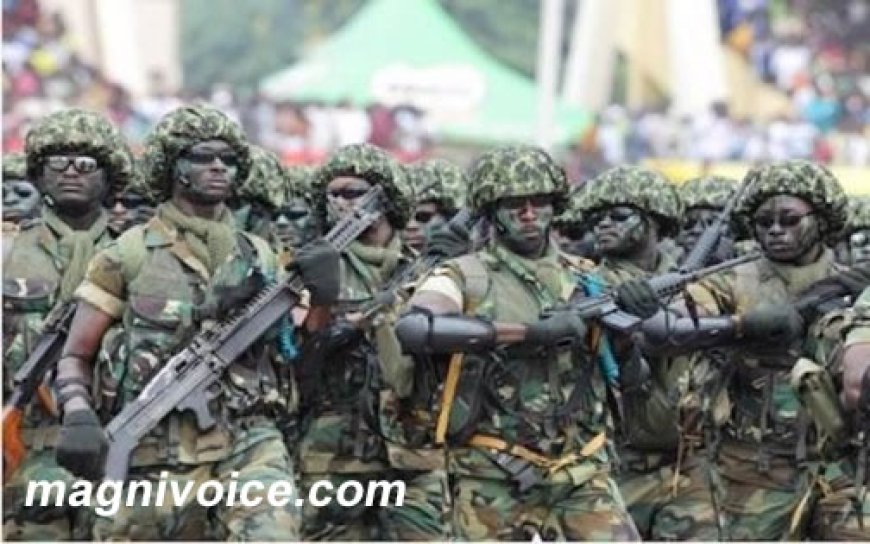
In the troubled northeast of Nigeria, where insurgency has taken many lives for over a decade, the military recorded a major success. On March 18, 2026, troops under Operation Hadin Kai, with support from air forces, killed at least 61 fighters linked to the Islamic State West Africa Province (ISWAP). The attack happened near Malam Fatori in Borno State when insurgents tried to break into military positions.
This incident comes at a tense time for security in the region. It shows that while threats are still strong, the military is also improving its response.
The Operation: Coordinated Defense Thwarts Dawn Assault
Early Wednesday morning, ISWAP fighters launched an attack toward military bases around Malam Fatori in Abadam Local Government Area. This area is important because it is close to Lake Chad and the Niger border. The fighters moved on foot from the Duguri area and even used armed drones to test the strength of the military base at the 68 Battalion.
Nigerian troops, supported by the Air Force, quickly responded. They used combined ground and air attacks to stop the insurgents. Reports say the fighters were surrounded, attacked from different directions, and pushed back strongly. Many insurgents were killed, and there were no major reports of losses on the military side.
Security analyst Zagazola Makama, who is known for tracking conflicts in the Lake Chad region, first shared details of the operation based on military sources.
Why Malam Fatori Remains a Flashpoint
Malam Fatori has been attacked many times because of its location. It is remote, not heavily populated, and close to smuggling routes and insurgent hideouts across borders. ISWAP often targets such areas to control movement, gather supplies, recruit fighters, and extend influence toward cities like Maiduguri.
In recent months, Borno State has seen more attacks, including ambushes on soldiers, attacks on military bases, and kidnappings of civilians. However, this recent victory shows better teamwork between ground troops and air support, which is becoming a key strategy in Operation Hadin Kai.
Broader Context: Momentum Shifts in a Long War
The insurgency in northeast Nigeria, once mainly led by Boko Haram, has now split into different groups. ISWAP has become more organized and more connected internationally. While attacks on civilians go up and down, battles between the military and insurgents remain frequent.
Earlier in 2026, insurgents had some success, attacking weak military positions and taking weapons. But continuous military operations have reduced their strength over time by destroying camps, cutting supply routes, and helping displaced people return home.
The use of drones by insurgents shows they are changing tactics and using modern tools. The military’s ability to respond with strong coordination between air and ground forces shows improvement, though it requires steady support, intelligence, and training.
Lessons from the Frontline: What This Means Moving Forward
For the military, this operation shows that working together across air and ground forces is very effective. This strategy should be used in more areas.
For people living in border communities, each successful defense gives them more time and safety. But real peace will only come when deeper issues like poverty, poor governance, and unemployment are addressed.
For policymakers and citizens, this victory is important but not enough to end the conflict. Nigeria needs a full strategy that includes military action, rehabilitation programs, economic development, and stronger border control.
A Step Forward, Not the Endgame
Killing over 60 ISWAP fighters near Malam Fatori is a strong achievement. It proves that Nigerian forces can deal heavy blows to insurgents when they act together.
However, the region is still unstable. Insurgents continue to adapt and find new ways to attack. Lasting peace will require more than military success. It will need rebuilding communities, creating opportunities, and improving governance in affected areas.
Until then, operations like this remain necessary, but they are only temporary solutions to a conflict that is still ongoing.
What's Your Reaction?
 Like
0
Like
0
 Dislike
0
Dislike
0
 Love
0
Love
0
 Funny
0
Funny
0
 Angry
0
Angry
0
 Sad
0
Sad
0
 Wow
0
Wow
0