



Iran’s Defiance Over the Strait of Hormuz: How One Narrow Passage Could Unleash a Global Energy Shockwave in 2026

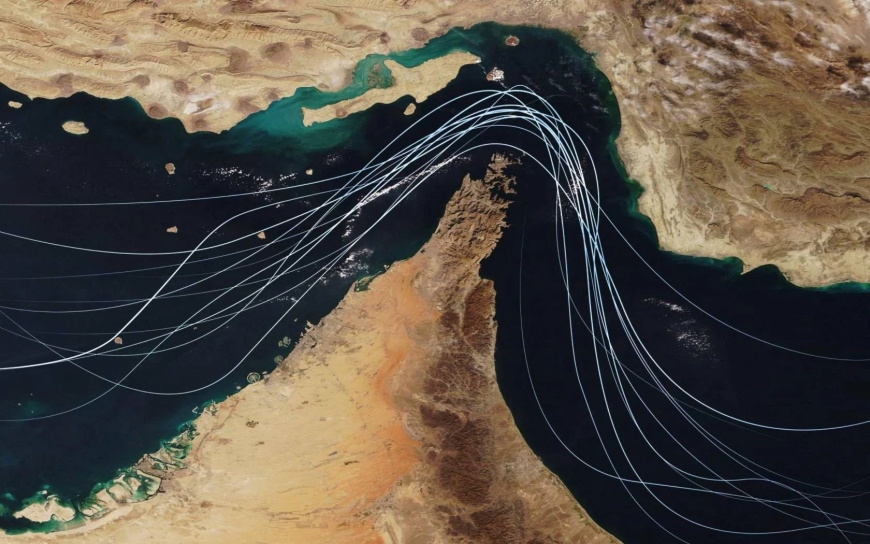
As oil markets jitter and tanker routes grow tense, Iran has drawn a firm line in the water. Tehran’s outright rejection of a U.S. ultimatum tied to the Strait of Hormuz has pushed an already dangerous confrontation with Washington and Tel Aviv into a new phase. One narrow maritime chokepoint now threatens to disrupt 20 percent of the world’s daily oil supply. What began as a deadline has become a flashpoint, with civilian deaths climbing, infrastructure crumbling, and Gulf nations scrambling for backup power. This is not just another Middle East flare-up. It is a high-stakes test of whether economic leverage or military pressure will dictate the future of global energy security.
The Ultimatum That Backfired
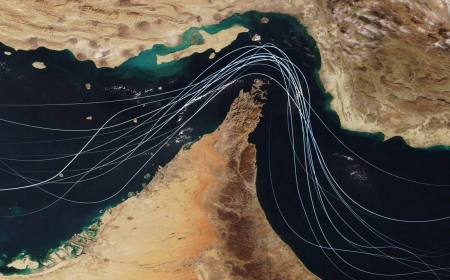
President Trump’s Tuesday deadline demanded that Iran reopen the Strait of Hormuz or face intensified raids on power plants and bridges. Tehran responded with a blunt dismissal, framing the threat as incitement to war crimes and vowing swift retaliation. Far from forcing compliance, the move appears to have hardened Iran’s resolve. By closing or restricting traffic through the narrow waterway that connects the Persian Gulf to the Arabian Sea, Iran has turned a geographic bottleneck into a strategic weapon. This reminds the world that control over this 21-mile-wide passage has historically shifted the balance of power in energy geopolitics.
Civilian Toll and the Cost of Precision Strikes
While the rhetoric focuses on strategic targets, the human and institutional damage tells a different story. U.S.-Israeli strikes have claimed at least 34 lives inside Iran, including six children. Residential areas in Tehran province, Qom, and Bandar-e-Lengeh have borne the brunt. Hospitals in the capital have evacuated patients en masse, and universities, once symbols of Iranian scientific ambition, now lie partially in ruins. Sharif University of Technology, often called Iran’s MIT, suffered direct hits to a mosque and academic buildings. The strikes have drawn condemnation even from U.S. lawmakers who questioned the logic of bombing a hub that has produced talent for Silicon Valley.
These are not abstract statistics. They represent shattered families, disrupted education for the next generation of engineers, and a health system already stretched thin by months of conflict. The pattern of strikes on universities, medical facilities, and civilian infrastructure raises uncomfortable questions about proportionality and long-term stability in a region already scarred by proxy wars.
Ripples Across the Gulf and Beyond
The fallout is not contained within Iran’s borders. Kuwait reported six injuries from falling shrapnel after Iranian projectiles landed in a residential zone. The UAE confirmed a drone strike on a telecom facility with no casualties but clear intent to signal reach. In Lebanon, the broader conflict has already claimed over 1,400 lives in recent weeks, while Iraqi bases linked to Iran-aligned militias have come under fire. Even distant Australia has moved to lock in fuel supplies through May, acknowledging that Hormuz disruptions could trigger immediate price spikes at the pump.
Gulf Cooperation Council states are quietly activating contingency plans including generators, alternative shipping lanes, and emergency fuel stockpiles. This is not theoretical risk. It is operational reality playing out in real time.
Why the Strait of Hormuz Still Rules Global Energy
To understand the stakes, consider geography and history. The Strait of Hormuz is the world’s most critical oil transit route. Roughly one-fifth of global petroleum passes through it every day, feeding Asia’s factories, Europe’s refineries, and U.S. strategic reserves. Past attempts to weaponize the strait, during the 1980s Tanker War or the 2019 tanker attacks, demonstrated how quickly insurance rates soar, shipping lanes reroute, and oil prices jump 10 to 20 percent on rumor alone.
In 2026, the context is even more volatile. Global demand is recovering, renewable transitions remain uneven, and many economies still lack meaningful diversification away from Gulf crude. Iran’s blockade, even if partial or temporary, forces traders to reroute around Africa or pay premium rates for scarce alternative tankers. The result is higher inflation, squeezed household budgets, and renewed urgency in boardrooms from Beijing to Brussels about energy independence.
Analysts have long noted that modern conflicts often persist not despite economic pain, but because certain actors profit from the chaos through arms sales, sanctions evasion networks, or political consolidation. The current spiral fits that pattern: military spending rises, useful enemies are kept in focus, and peace becomes harder to sell to domestic audiences.
What This Means for the World
This confrontation is forcing a reckoning on multiple fronts. For energy markets, it accelerates the search for non-Gulf suppliers and faster renewable rollout, yet short-term pain is inevitable. For diplomacy, it tests whether ultimatums backed by force produce compliance or simply entrench resistance. For civilians across the region, it underscores how proxy battles and great-power rivalries extract the heaviest human price.
The deeper risk lies in miscalculation. A single intercepted missile, a misread radar signal, or an overzealous retaliation could widen the conflict far beyond the strait. At the same time, the episode highlights Iran’s enduring leverage: geography still matters more than any single leader’s deadline.
Key Insights / Lessons
- Geography remains the ultimate strategic asset. In an era of drones and cyber tools, narrow maritime passages like Hormuz retain outsized power to disrupt global trade.
- Civilian infrastructure is increasingly collateral. Repeated strikes on universities and hospitals erode soft power and long-term development, regardless of military gains.
- Energy security is national security. Nations without diversified supplies remain hostage to distant conflicts. Australia’s fuel hedging is a quiet warning to every import-dependent economy.
- Escalation has its own momentum. Deadlines and threats can lock parties into cycles that are politically difficult to exit, even when both sides privately prefer de-escalation.
- Public scrutiny matters. Condemnations from inside the U.S. Congress and international observers show that narrative control is now part of every battlefield.
Conclusion Iran’s rejection of the Hormuz deadline is more than a tactical rebuff. It is a declaration that the rules of engagement in the Gulf are being rewritten in real time. Whether this leads to negotiated breathing room or a dangerous spiral depends on the next moves in Tehran, Washington, and Tel Aviv. For the rest of the world, the message is clearer: when the Strait of Hormuz tightens, the global economy feels the squeeze. In 2026, energy interdependence is no longer abstract. It is a daily reminder that distant conflicts can fill your gas tank and empty your wallet. The coming weeks will determine whether wisdom or escalation prevails.
What's Your Reaction?
 Like
0
Like
0
 Dislike
0
Dislike
0
 Love
0
Love
0
 Funny
0
Funny
0
 Angry
0
Angry
0
 Sad
0
Sad
0
 Wow
0
Wow
0