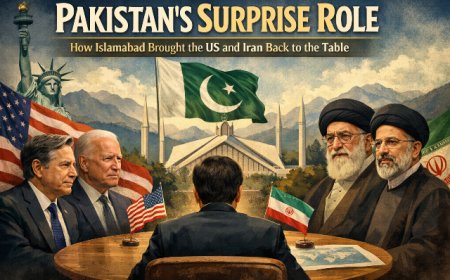


Pakistan's Surprise Role: How Islamabad Brought the US and Iran Back to the Table

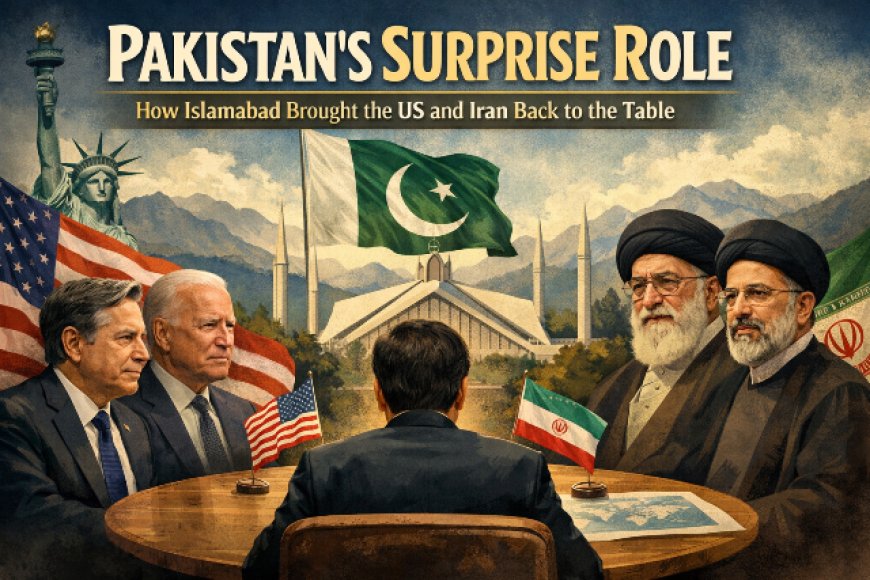
Right now, the eyes of the world are fixed on Islamabad. In a stunning diplomatic move, Pakistan has pulled the United States and Iran back from the edge of war. This weekend, senior American and Iranian officials will sit down for direct talks in Pakistan's capital, trying to turn a shaky ceasefire into something more lasting. Oil prices have already dropped sharply on the news, global markets are breathing easier, and diplomats everywhere are taking notice. What makes this moment so remarkable is that few expected Pakistan, often seen as a troubled nation, to play the role of peacemaker between two longtime enemies. Yet here we are. A country caught between powerful neighbors has stepped up and changed the game, at least for now.
What Just Happened
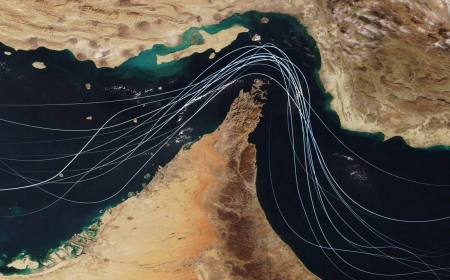
The trouble started in late February 2026 when the United States and Israel launched strikes on Iran. Reports say Iran's Supreme Leader Ayatollah Ali Khamenei was killed in the attacks. Iran hit back hard, closing the Strait of Hormuz, a vital waterway for world oil supplies. The fighting quickly spread, killing thousands and pushing the region toward full-scale war.
For weeks, Washington and Tehran stopped talking directly. That is when Pakistan stepped in. Prime Minister Shehbaz Sharif and Army Chief Field Marshal Asim Munir quietly began carrying messages between the two sides. They listened to American demands, passed on Iranian ideas, and worked to stop further attacks, including recent strikes on Lebanon.
On April 8, President Donald Trump announced a two-week ceasefire. He openly thanked Pakistan for its help and said the pause depended on Iran reopening the Strait of Hormuz. Iran agreed to the break and put forward its own peace plan. Now, Iranian officials have arrived in Islamabad. The American team is expected soon. Formal talks are set to begin on Saturday at the Serena Hotel under tight security.
Pakistan did more than just offer a meeting place. It actively helped shape the discussions and brought in support from countries like Turkey and Egypt. This marks the highest-level direct contact between the US and Iran since the 1979 Islamic Revolution.
Why This Is Trending
People cannot stop talking about this story for good reasons. First, it feels surprising. Pakistan is not usually seen as a global diplomat. Many in the West have viewed it as a country facing many problems. Now it is being praised for bringing enemies together.
Second, the economic impact is huge and immediate. The ceasefire news caused oil prices to fall, easing fears of higher fuel costs and inflation around the world. Shipping routes that were at risk are opening up again.
Third, it feeds into a bigger conversation about how the world is changing. In an era where big powers struggle to talk to each other, smaller or middle-sized countries are stepping up as mediators. Social media is full of comments and memes celebrating Pakistan's unexpected success.
The Bigger Picture
Pakistan's success did not happen by chance. The country shares a long border with Iran and has kept practical security ties with Tehran despite occasional tensions. At the same time, Pakistan has maintained important links with the United States through years of cooperation on security issues.
It also enjoys close ties with China and has growing defense relations with Saudi Arabia. This mix of relationships gives Pakistan unique access to different sides. By hosting the talks, Islamabad is protecting its own interests too. A long war next door could bring refugees, unrest among its large Shia population, and damage to its economy.
This moment fits into a wider global shift. The world is becoming more multipolar. Big powers like the US sometimes find it hard to negotiate directly with enemies without losing face. That is where countries like Pakistan, Qatar, Turkey, and Oman come in. They offer a neutral place and trusted channels that allow talks to happen without too much political cost.
Key Insights Most People Are Missing
Several important points are getting lost in the headlines.
First, Pakistan's powerful military played a central role. Army Chief Asim Munir and the intelligence establishment led much of the effort. Their long-standing quiet contacts with Iranian military leaders helped build trust that civilian diplomats might not have achieved. This behind-the-scenes approach is typical of how Pakistan handles sensitive foreign policy.
Second, Pakistan sees this as a chance to improve its image. For years, it has been criticized in international media. Successful mediation could bring new investment, better relations with the West, and relief from some pressures. However, if the talks fail, Pakistan could face blame for raising hopes too high.
Third, the limits are real. Pakistan can keep the conversation going, but it cannot force big decisions. The two sides remain far apart on key issues such as Iran's nuclear program, missile development, support for regional groups, and American sanctions. The coming talks will likely focus on keeping the ceasefire alive and building small steps forward rather than solving everything at once.
What many observers overlook is how this shows a new way of managing crises. The United States does not have to control every negotiation. It can work through reliable regional partners. For Pakistan, this brings influence that goes beyond its economic size. Success here could mark a real change in how it is seen on the world stage.
Looking Ahead
No one expects a full peace deal this weekend. The goal is simpler: hold the ceasefire, test whether both sides are serious, and create a path for more talks. If the next two weeks bring even modest progress, such as safer shipping or reduced tensions, Pakistan will have scored a notable diplomatic win.
Still, big questions remain. Can Pakistan, which faces its own political and security challenges, keep playing this bridging role? The answer will affect not only US-Iran relations but also the future of crisis management in a divided world.
In Islamabad this weekend, history is quietly unfolding through careful talks, shared meals, and patient bargaining. Pakistan has shown that in a distrustful world, the ability to speak credibly to both sides is powerful currency.
Whether this effort leads to lasting change or becomes just another short-lived moment will depend on what happens in the days ahead. For now, the world is watching to see if Pakistan's bold gamble pays off.
What's Your Reaction?
 Like
0
Like
0
 Dislike
0
Dislike
0
 Love
0
Love
0
 Funny
0
Funny
0
 Angry
0
Angry
0
 Sad
0
Sad
0
 Wow
0
Wow
0